2.007 Recap (or How My Robot Will Beat Me At Operation)
Another great class. Since a fair number of my fellow MechE’s had robotics experience on their high school’s FIRST robotics teams, I came into this class feeling a little outmatched. I hadn’t had much Solidworks experience beyond making and cutting simple shapes, and I really had no experience building structures, joints, mounts, etc., all the practical bits that make mechanical things… well… do stuff. Nevertheless, if there’s one thing that MIT has taught me, it’s that diving in is the best way to learn. They give us the opportunity, we supply the effort.
And so we began. Thankfully, we started out with some tutorials in CAD modeling, as well as primers on some of the more useful mechanisms discovered in the past few millennia of engineering. We also had primers on electric motor modeling, tolerances and robust design with error margins, and a practical recap of the structures we learned in 2.01/2.02B. With some mechanical basics under our belts, we started designing for the competition. The challenge this year was quite a throwback; Hasbro’s “Operation,” except blown up huge with Tim the Beaver, our fearless mascot, going under the knife.
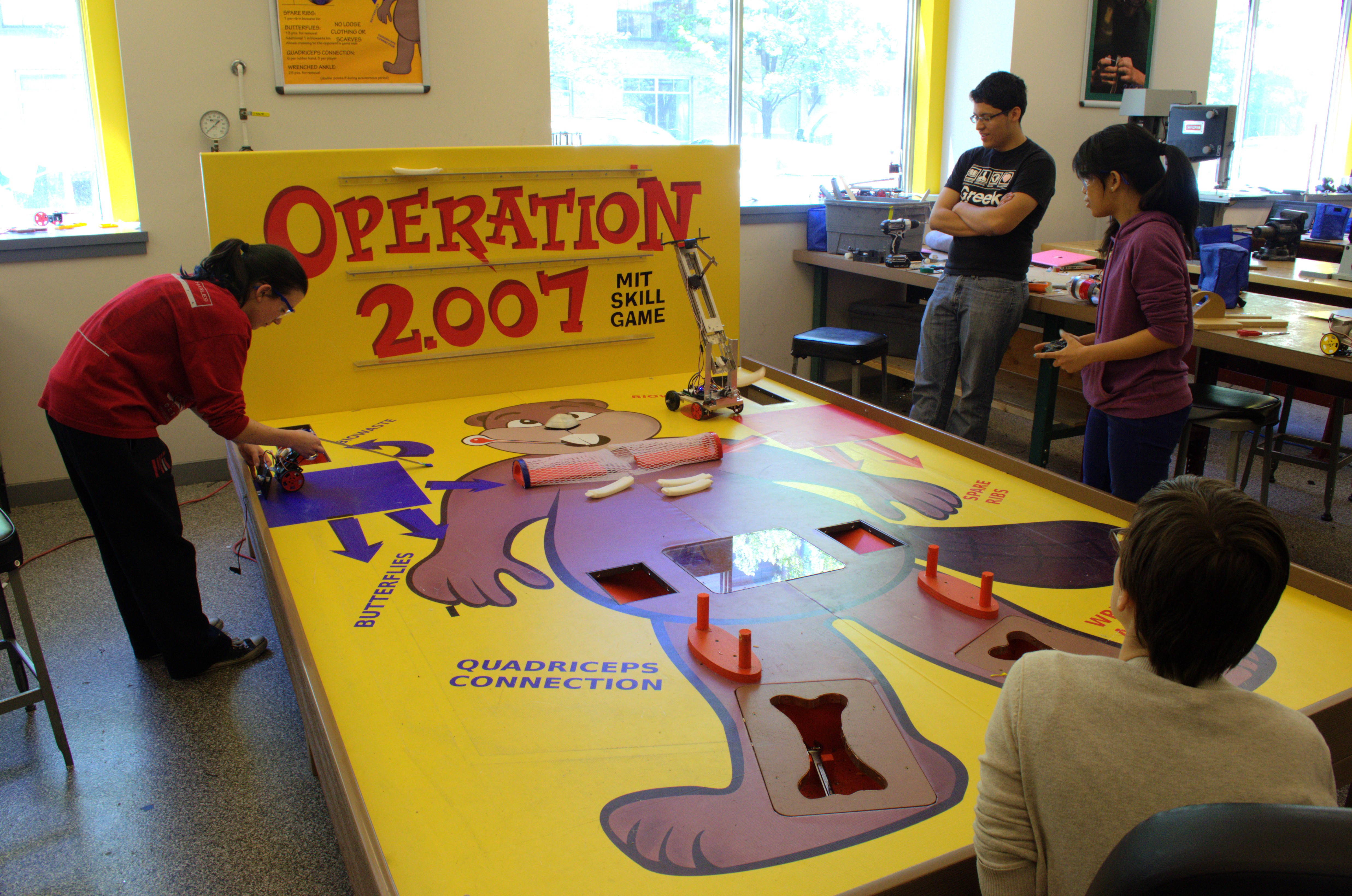
The board has many differences, all in an attempt to give us a variety of tasks. One could extract a steel wrench from the ankle, perform a minimally invasive surgery on butterflies in the stomach, replace a torn ACL with rubber bands, remove some ribs (I still don’t have a clue what was wrong with them), expand a stent, or fMRI scan Tim’s “brain” to see what he is thinking. Whelp, the number of activities were nearly overwhelming. Add in the point values of each, though, and you can narrow them down pretty quickly.
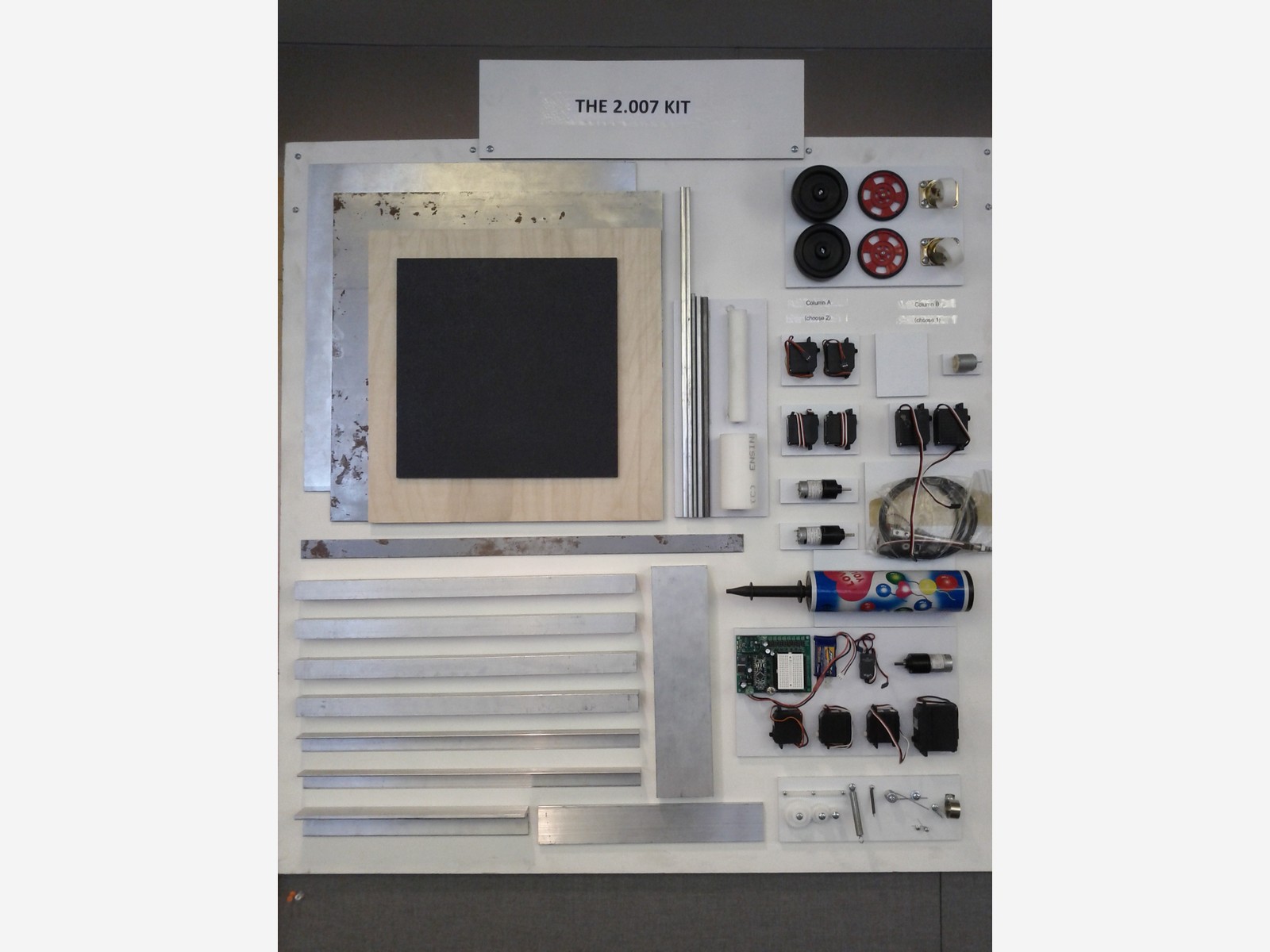
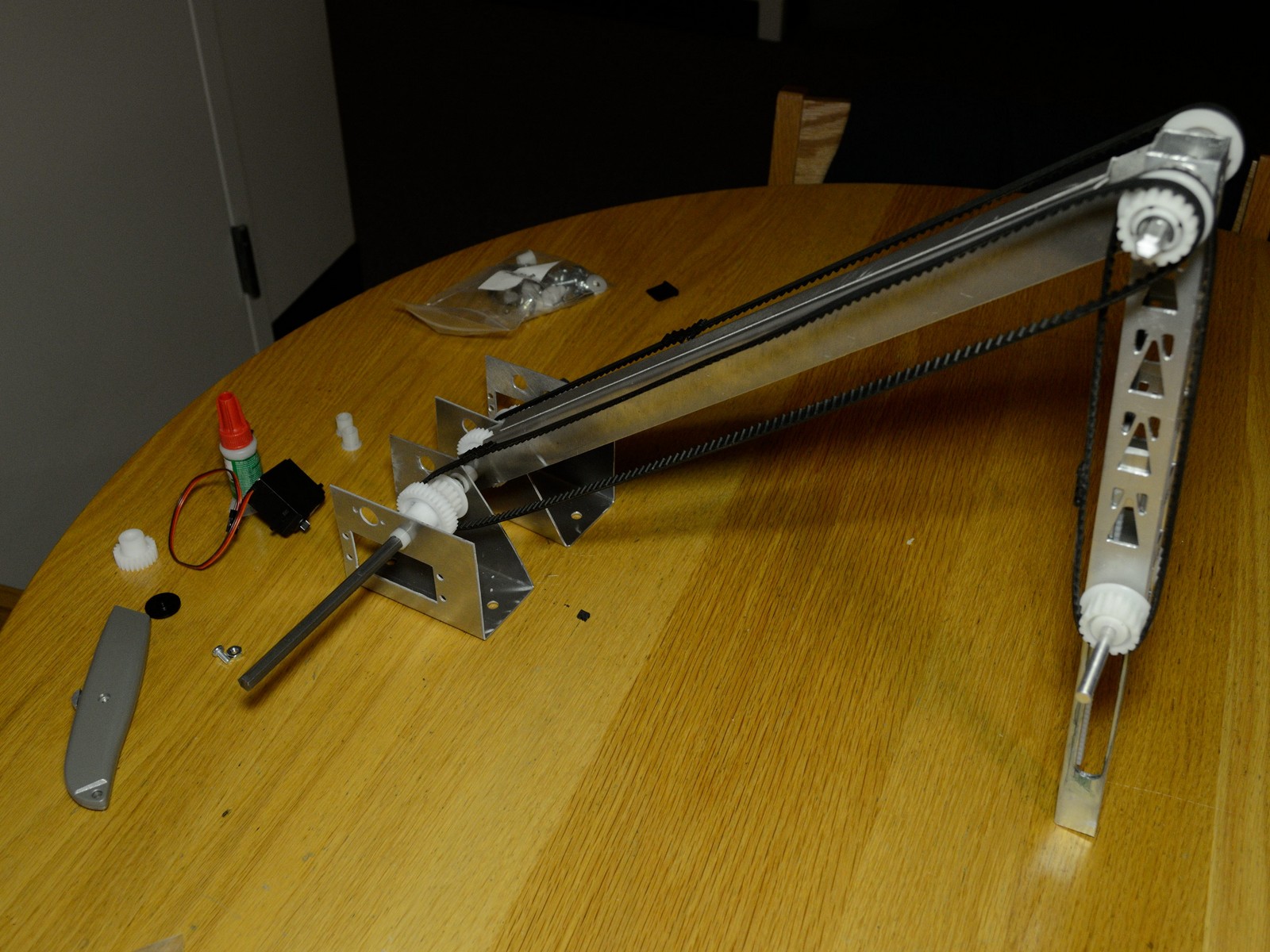
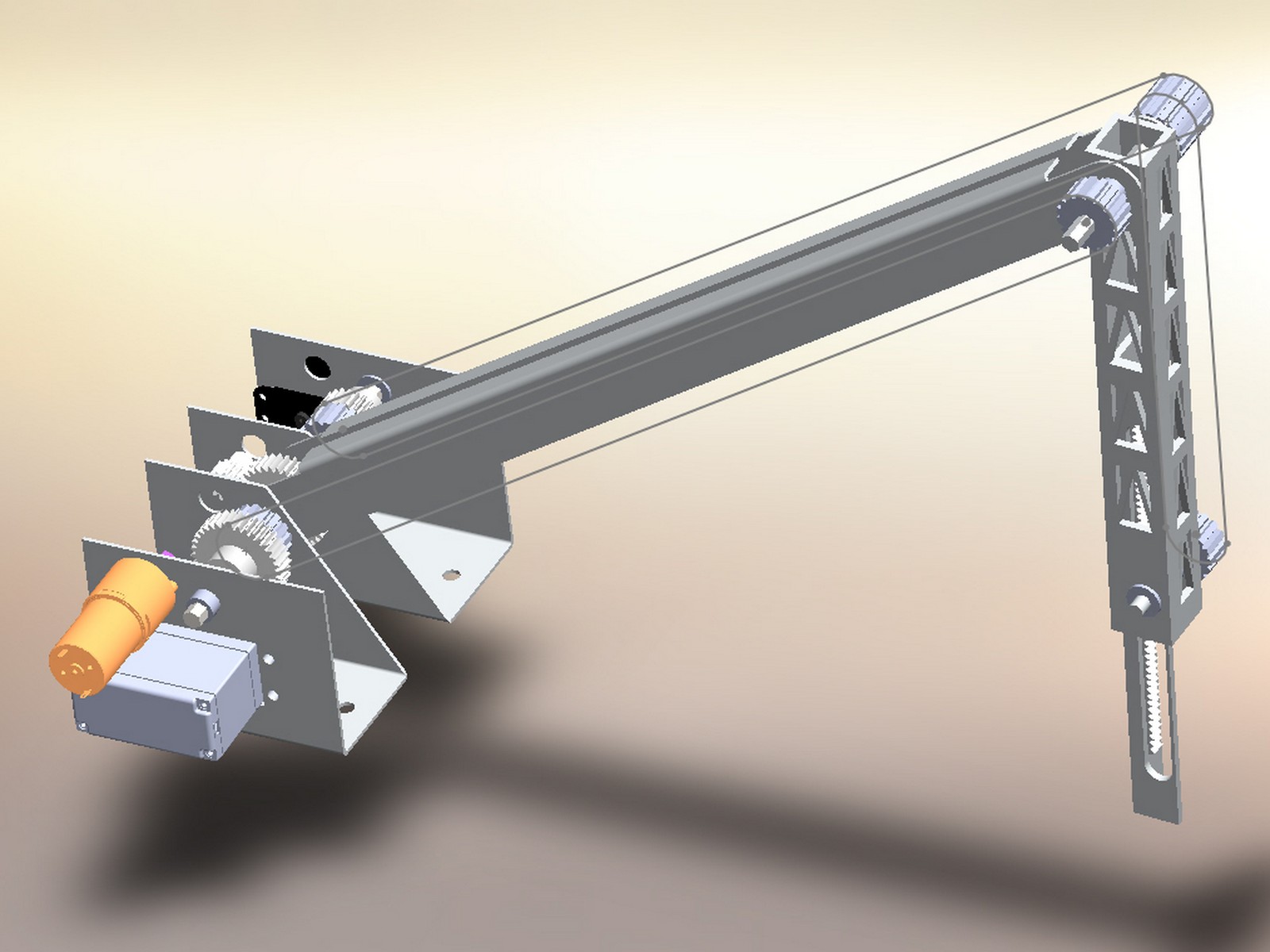
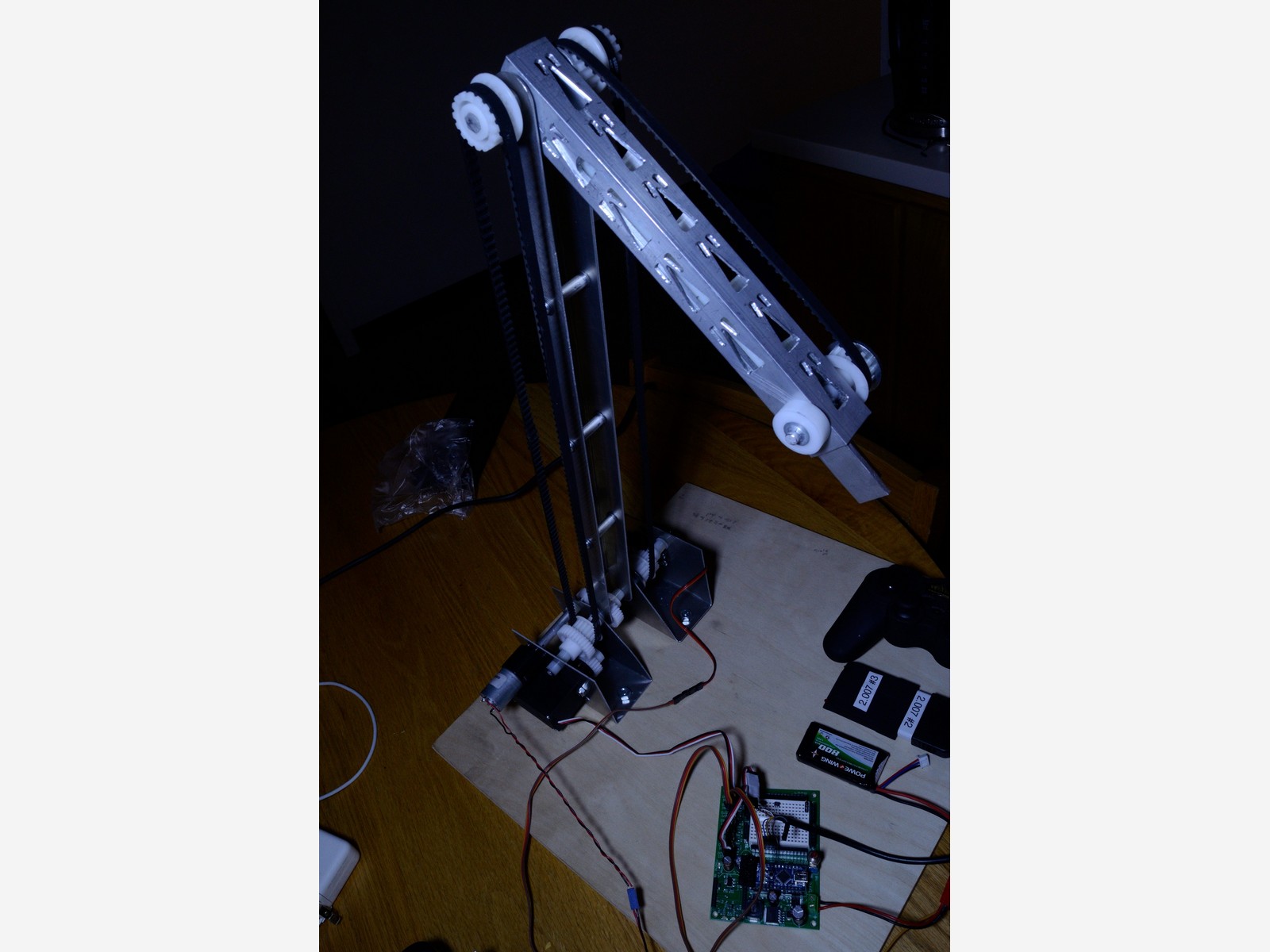
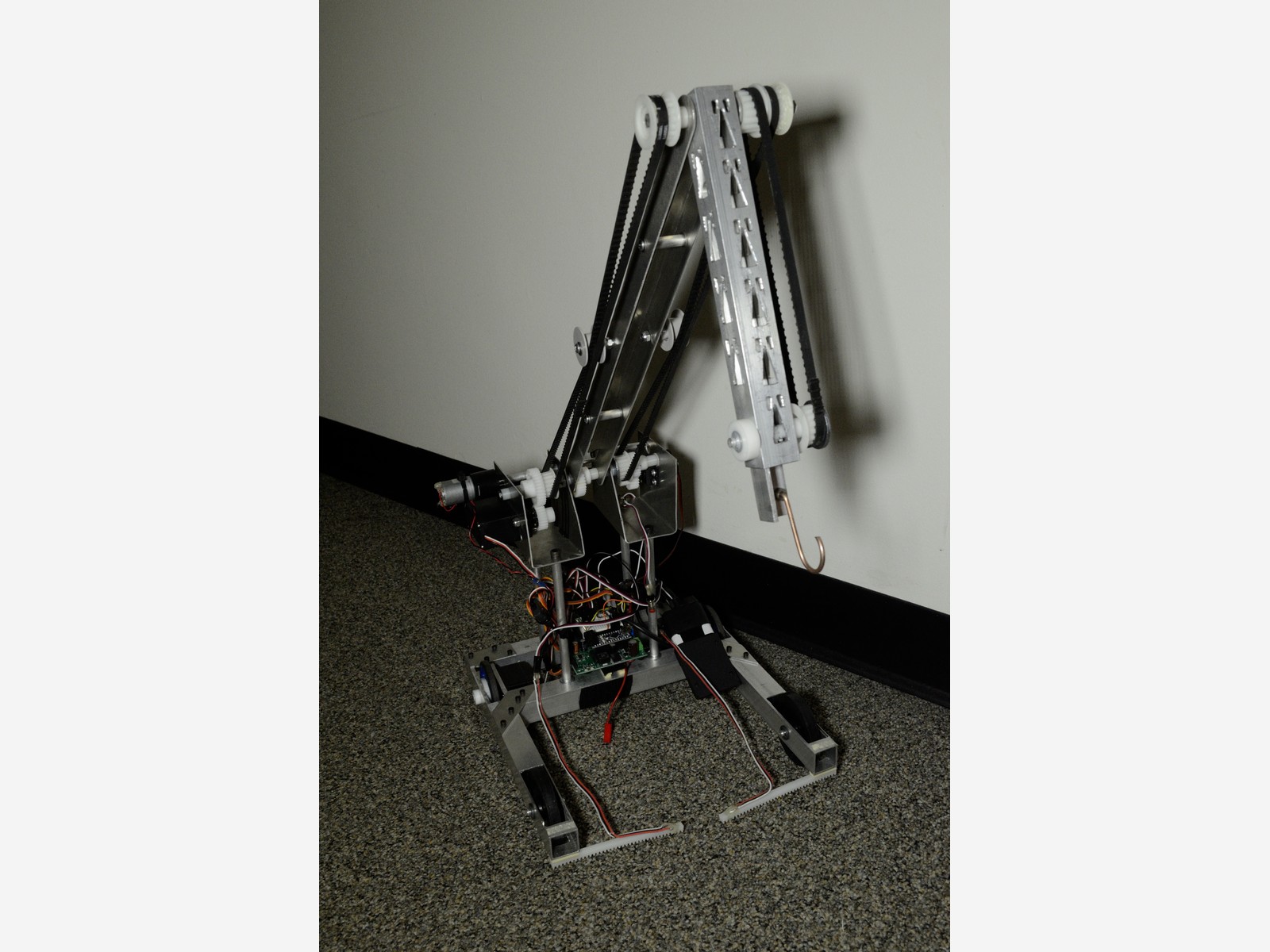
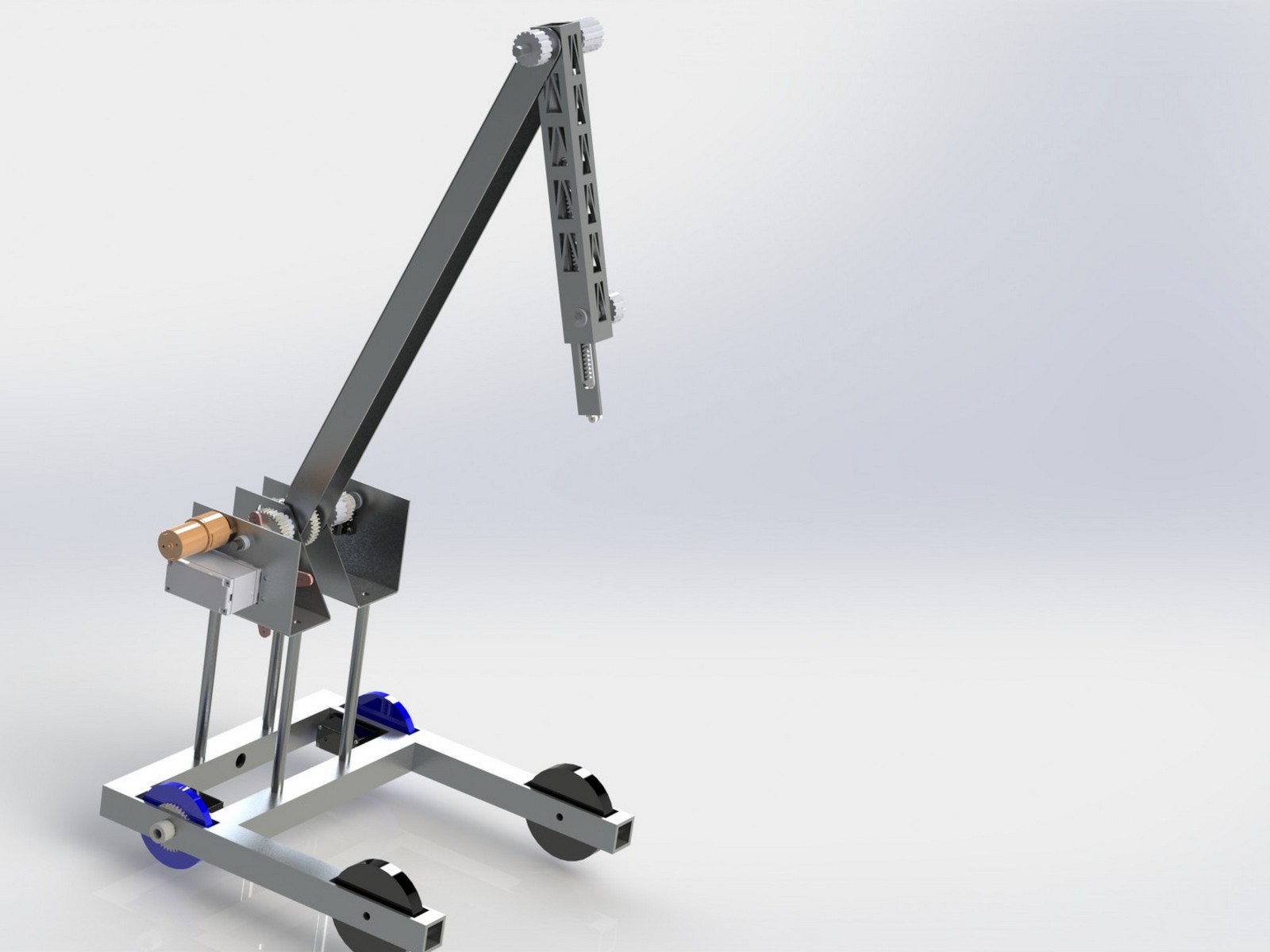
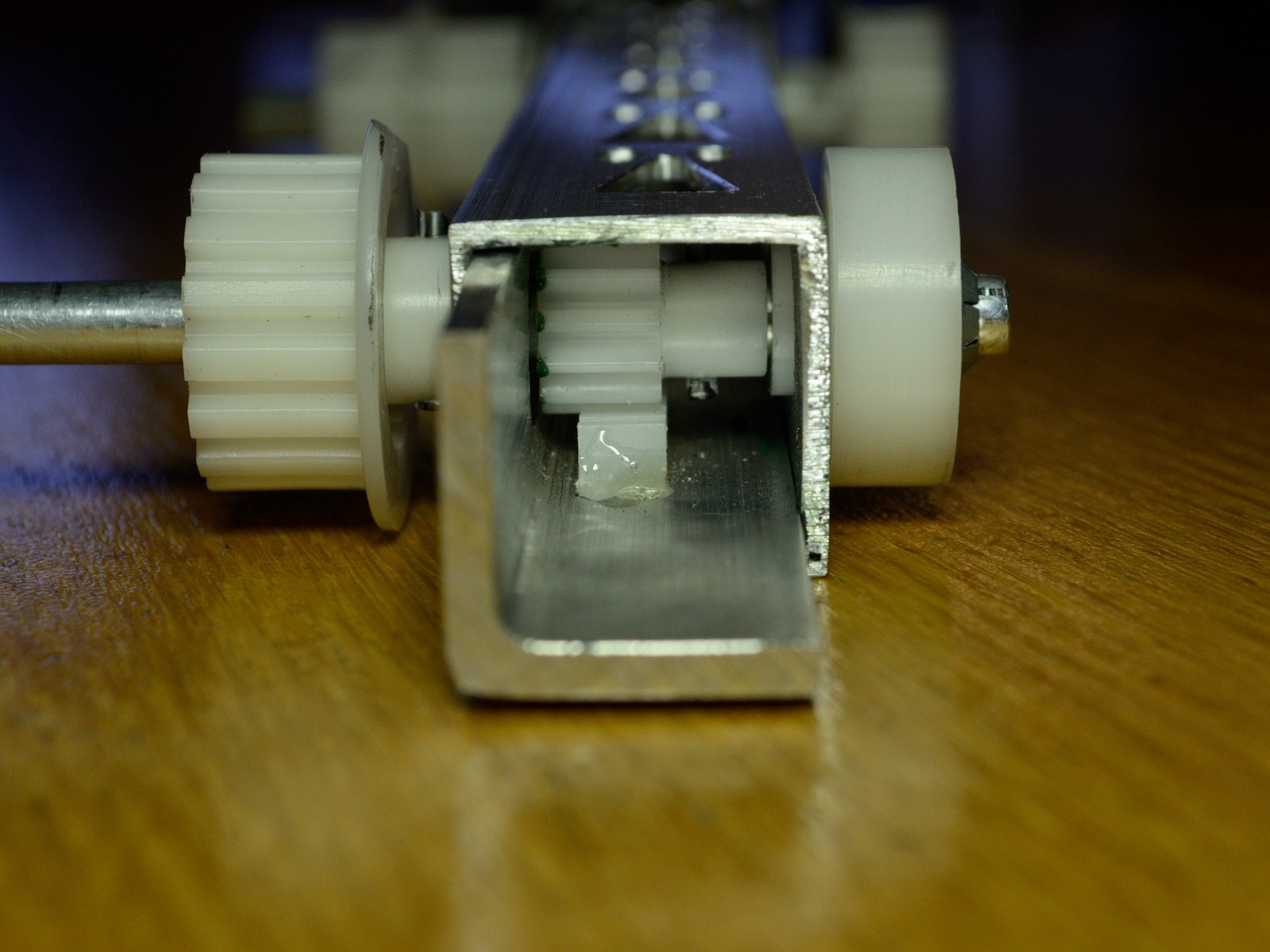
The wrench was worth 25 points, its heft and size making it a challenge given our constrained components. That became my main target. An additional twist on the OG game was the addition of shelves, where any removed piece could be placed for extra points scaling with the height of the shelf. My design was a crane; two pivoting links with the last also being telescoping/prismatic. This allowed me to vary the level arm of the base link, because we just didn’t have the materials/power to get the wrench to the top shelf with a fixed-length system. The extra link in the arm also allowed nice perpendicular entry of the grabbing hook, in keeping with the spirit of the original.